
Reducing Plastic Pollution
Understanding Plastic Pollution
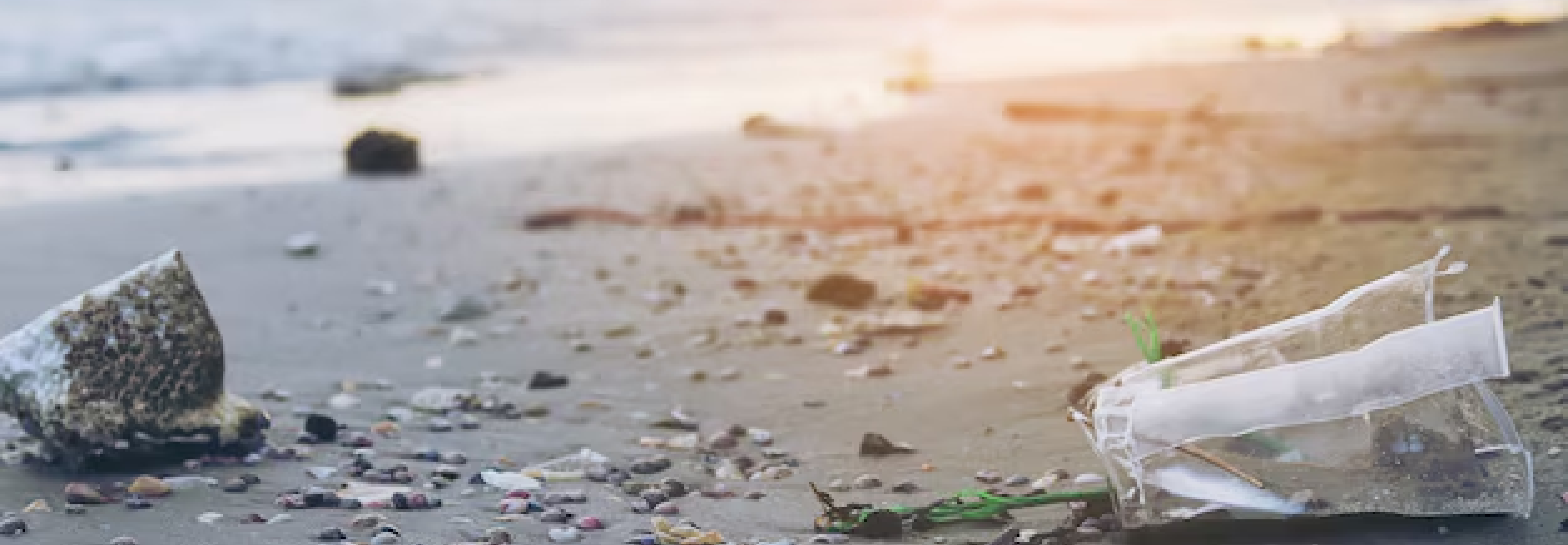
Plastic pollution is a global environmental crisis caused by the widespread use and improper disposal of plastic products. It affects land, water, and wildlife, contributing to severe ecological damage and posing a threat to human health. With millions of tons of plastic waste ending up in oceans, rivers, and landfills each year, the urgency to address this issue has never been greater.
The Problem with Plastics:
- Non-Biodegradable: Plastics take hundreds of years to break down, leading to long-term environmental contamination.
- Marine Life Threat: Over 8 million tons of plastic enter our oceans annually, causing harm to marine life through ingestion, entanglement, and habitat disruption.
- Microplastics: Tiny plastic particles, known as microplastics, infiltrate our food, water, and air, posing risks to human and animal health.
- Greenhouse Gas Emissions: The production and disposal of plastics contribute to greenhouse gas emissions, exacerbating climate change.
- Overwhelming Waste: Plastic waste overwhelms landfills and incineration facilities, leading to pollution and resource depletion.
Strategies for Reducing Plastic Pollution:
- Reduce Single-Use Plastics:
- Ban or Limit: Implement bans or restrictions on single-use plastics like straws, bags, and utensils.
- Alternatives: Encourage the use of reusable, biodegradable, or eco-friendly alternatives.
- Promote Recycling and Reuse:
- Recycling Programs: Strengthen recycling infrastructure to promote the proper sorting and recycling of plastics.
- Incentives: Offer incentives for businesses and consumers to recycle and use recycled products.
- Innovate Sustainable Solutions:
- Research & Development: Invest in developing sustainable materials and packaging solutions that are biodegradable or compostable.
- Corporate Responsibility: Encourage companies to adopt sustainable practices and reduce plastic use in their operations.
- Raise Awareness and Education:
- Public Campaigns: Launch educational campaigns to inform the public about the impacts of plastic pollution and how they can reduce their plastic footprint.
- School Programs: Integrate environmental education into school curriculums to teach children the importance of reducing plastic use.
- Legislation and Policy:
- Plastic Bans: Advocate for local, national, and international policies that ban or reduce the use of harmful plastics.
- Extended Producer Responsibility (EPR): Implement policies that hold manufacturers accountable for the lifecycle of their plastic products.
- Community Action:
- Clean-Up Initiatives: Organize and participate in community clean-up events to remove plastic waste from local environments.
- Plastic-Free Pledges: Encourage individuals, businesses, and organizations to commit to reducing plastic use in their daily lives.
Impact of Reducing Plastic Pollution:
- Healthier Ecosystems: Reducing plastic pollution helps restore and protect marine and terrestrial ecosystems, preserving biodiversity and natural habitats.
- Cleaner Waterways: Decreasing plastic waste in rivers and oceans improves water quality and reduces the risks to aquatic life.
- Sustainable Future: Promoting sustainable alternatives and reducing plastic use contributes to a healthier planet for future generations.
- Economic Benefits: Supporting recycling industries and innovative sustainable solutions can create jobs and stimulate economic growth.